
Addictive Personality Traits
Many people wonder if they have an addictive personality. They might feel strong urges, make dangerous decisions, or pick up bad habits that are hard to break. To deal with their feelings or worry, some people drink, do drugs, shop, eat, or gamble. We Level Up Lake Worth helps people understand these trends and address them more effectively.
Having an addictive personality doesn’t mean someone is weak. It means that some actions and mental problems might increase the chance of becoming addicted. People in Lake Worth and Palm Beach County can get better and live a happier life with help, therapy, and treatment.
Table of Contents
What Is an Addictive Personality?
It is a set of actions that are linked to a greater chance of becoming addicted. It’s not a real medical condition. Still, a lot of mental health workers use the phrase when someone is having a hard time giving up bad habits. Some people get hooked on drugs or drink. Some people have problems with food, gambling, shopping, video games, or relationships that aren’t good. These habits often start as a way to deal with sadness, stress, pain, or worry.
Many people with addictive personality traits desire quick mental pain relief. They might want to feel exciting or avoid feeling bad. As time goes on, it may be harder to break these habits. People who get help from a professional can figure out why these trends happen. Therapy teaches healthy ways to deal with problems and better ways to live each day.

How Substance Use Disorder Relates to an Addictive Personality
Some people may be more likely to develop a substance use problem over time if they have an addictive personality. Some people turn to drugs or alcohol to deal with worry, boredom, anxiety, or emotional pain. Something that is used once in a while may turn into a habit over time. Many people in Lake Worth fail to see the danger signs. Most of the time, they don’t see them until their drug use has hurt their relationships, health, sleep, or daily tasks.
Why Mental Health Disorders Increase Addiction Risk
Addictive behaviors and mental health disorders frequently coexist. Emotional stress, anxiety, sadness, and PTSD can make it feel harder to control bad ways of coping. Some people drink or do drugs to dull their feelings or get away from the stress of work, family, or relationships. Over time, this pattern may raise the risk of addiction. It can also worsen compulsive behavior if an expert does not treat it.
Common Traits
A person with an addictive personality tends to behave in similar ways. These traits might make addiction more likely, but they don’t make it a given.
Common addictive personality traits include:
- Impulsive choices
- Mood swings
- Risk-taking behavior
- Low self-esteem
- Trouble handling stress
- Need for excitement
- Poor emotional control
Some people also have problems with being angry, bored, or alone. Others feel empty when they don’t have anything to do or anyone to talk to. During times of worry at work, school, home, or in relationships, these patterns may get stronger.
How Compulsive Behavior Signs Affect Daily Life
Having a lot of compulsive behavior signs can hurt your health, relationships, job, and money. Some people feel stuck in habits they don’t like. Some examples of compulsive behavior are drinking daily, overeating, gaming, shopping too much, or seeking danger all the time. These habits may lead to worry, stress, anxiety, or shame over time.
Many people in Lake Worth deal with stress, emotional pain, or mental health problems by doing things that are bad for them. Sadly, short-term ease often turns into a cycle of harm. If you don’t get help, addictive behavior could slowly take over your whole life.
Signs of Addictive Personality to Watch For
A person often shows signs over time. Many people don’t see the issue right away. Someone might start to think about drugs, booze, gambling, food, or other things too much. They might not do what they need to or lose interest in hobbies and family activities.
Common warning signs include:
- Using substances to escape stress
- Hiding harmful behavior
- Obsessive thinking
- Repeating bad choices
- Feeling unable to stop
- Ignoring consequences
- Strong emotional reactions
There may be a higher chance of emotional dependence or addiction if these things happen.
Important Addiction Risk Factors
No single factor causes addiction. A number of addiction risk factors may make it more likely that someone will become addicted over time. History in the family can be important. Trauma, anxiety, sadness, PTSD, and long-term stress may also make someone more likely to become addicted.
If you use drugs or booze as a child, you may be more likely to become addicted later on. Social pressure and an insecure home life can also change behavior. Addiction doesn’t happen to everyone who has risk factors for it. Still, knowing about these risks might help people get help sooner.
Why Choose We Level Up Lake Worth?
People from all over Palm Beach County can go to We Level Up Lake Worth to get help with their mental and drug problems. Our center offers medical detox, residential treatment, dual diagnosis care, trauma therapy, and plans to stay sober. For your safety, we only offer treatments that have been proven to work and have been approved by the Joint Commission.
Many people who have an addictive personality also have problems with stress, anxiety, sadness, or trauma. Our team treats mental health and addiction together because they both have an effect on healing. Licensed therapists, addiction counselors, and medical workers who truly understand addiction provide help. Stopping bad habits is not the only thing that recovery is about. It’s also about finding better ways to deal with stress, feelings, and everyday life.
What to Expect During Treatment
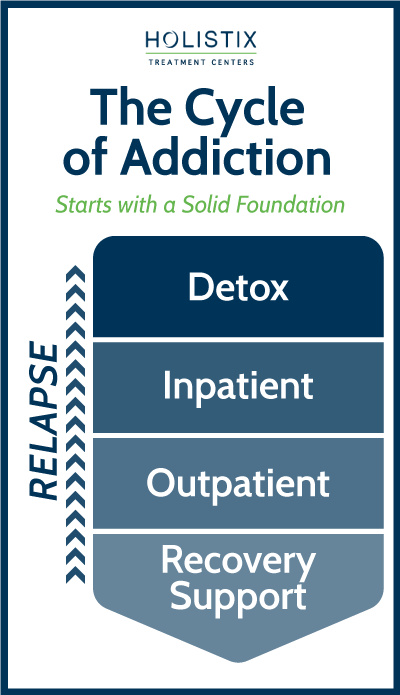
A full review is often the first step in treatment. The treatment goals, stress, pain, and mental health are all things that the care team learns about. Some people might need medical detox first. Detox helps the body handle withdrawal signs in a healthy way.
Once detox is over, treatment is what’s most important. Patients learn how their thoughts, feelings, and triggers make them act the way they do. They also learn better ways to deal with problems.
Treatment may include:
- Individual therapy
- CBT
- Group counseling
- Trauma therapy
- Family support
- Relapse prevention planning
- Mental health treatment
Many people begin feeling emotionally stronger after entering treatment.
How Cognitive Behavioral Therapy CBT Supports Recovery
Cognitive behavioral therapy (CBT) is used in many addiction recovery programs. It helps people change thinking patterns that can lead to addiction. People who have addictive personality traits may have strong reactions to things like worry, cravings, or emotional triggers.
CBT teaches people how to control their feelings, think less quickly, and deal with problems in a healthier way. This method helps many people recovering from drug abuse stay emotionally stable and make better choices each day.
Benefits of Professional Treatment
Professional treatment helps people build healthier habits and emotional stability.
Benefits may include:
- Better emotional control
- Safer coping skills
- Lower relapse risk
- Mental health support
- Family healing
- Long-term recovery planning
When help starts, many families feel better because they don’t have to deal with addiction alone.
Frequently Asked Questions
What is an addictive personality?
It describes behaviors linked to a higher risk of addiction. It is not an official medical diagnosis.
What are common addictive personality traits?
Common traits include impulsive behavior, mood swings, risk-taking, and trouble handling stress.
What are signs of addictive personality?
Signs may include compulsive behavior, substance misuse, secrecy, and repeated unhealthy choices.
Can compulsive behavior signs lead to addiction?
Yes. Over time, when habits get hard to control, compulsive behavior signs may raise the risk of becoming addicted.
How does We Level Up Lake Worth help?
For people recovering from addiction, we offer therapy. We provide detox support. We offer care for dual diagnoses. We provide trauma treatment. We create relapse prevention plans.
Can people recover from addictive behaviors?
Yes. Many people recover with therapy, support, mental health treatment, and long-term recovery planning.
Ready to Get Started
Many people feel bad about asking for help before they do. Some people think they should deal with addiction on their own. Bad habits can hurt your mental health, relationships, work, and sleep over time. We Level Up Lake Worth helps people get over drug and mental health problems.
Our team knows how much stress and fear addiction can cause for people and their families. You no longer have to deal with this by yourself. Call (855) 459-2880 today. You can also fill out the insurance proof form online. One of the people who can help you get better is ready to hear from you.