By We Level Up Lake Worth FL | Author Kate Byrd, PharmD
Addiction can make life hard. It can hurt your body, mind, family, job, and daily life. Over time, drugs or alcohol can be hard to stop. Many people have strong cravings and feel sick when they try to quit. This is called withdrawal. Without help, many people start using again. We Level Up offers addiction treatment on Palomino Drive in Lake Worth, FL. We give people a safe place to heal and begin a new life.
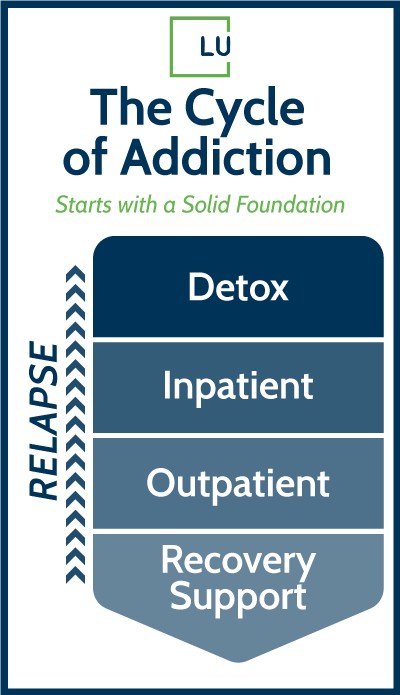
Many people start with medical drug and alcohol detox. Doctors and nurses watch over them and help keep them safe. After detox, people move into the next step of care. Each person gets a treatment plan made for their needs. We use evidence-based therapies to help people learn new ways to deal with stress, cravings, and hard feelings. People also learn how to avoid relapse and make healthy choices. Our center is near Okeeheelee Park and helps people from Wellington, Lake Worth Beach, and Greenacres.
Our team is here 24 hours a day, 7 days a week. We offer one-on-one counseling, group therapy, dual diagnosis care for people with both addiction and mental health problems, medication-assisted treatment when needed, family support, holistic therapies, and aftercare planning. We help people build healthy habits and prepare for life after treatment. Our goal is to help each person stay healthy, stay strong, and enjoy long-term recovery.
Table of Contents
What Is an Addiction Treatment Center?
People who are addicted to drugs or alcohol can get help at an addiction treatment center. These places have support groups, therapy, and medical care. A drug and alcohol addiction center assists people in safely quitting using drugs. It also teaches them new ways to live without booze or drugs.
Most programs offer detox, therapy, and help for long-term recovery. People can get help from these groups to get better. Mental health is also a priority at a substance abuse recovery center. A lot of people who have problems with addiction also have problems with stress, trauma, or sadness. Taking care of both addiction and mental health makes rehab go more smoothly. We Level Up Lake Worth offers dual-diagnosis treatment for treating both conditions.
Why Addiction Treatment Is Important
Addiction is more than just a bad habit. It is a disease that alters how people think and act. It can get worse over time if you don’t treat it. Using drugs can be bad for your health. It’s bad for the brain, heart, and liver. Mood, sleep, and memory can also be hurt by it.
Addiction can also make normal life hard. Things like work, school, and relationships may get worse. Many people feel alone or stressed. A behavioral health addiction treatment program run by professionals can help people take back control. Treatment gives people the tools they need to deal with stress and stay sober. It is possible to get better with the right care.

Get Your Life Back
Find Hope & Recovery. Get Safe Comfortable Detox, Addiction Rehab & Dual Diagnosis High-Quality Care.
Hotline (855) 459-2880Signs Someone May Need an Addiction Treatment Center
People can get help sooner if they know the signs of addiction. A lot of people don’t know they need help until things get worse.
Common warning signs include:
- Strong cravings for drugs or alcohol
- Trouble stopping use
- Using more than planned
- Mood changes or irritability
- Poor focus or memory
- Problems with work, school, or relationships
These signs may show the need for care at an inpatient addiction rehab center. Early treatment can prevent serious health risks.

Types of Addiction Treatment Programs
Treatment plans come in many forms. There are different ways that each school helps with recovery. Often, the first step is to detox. It helps the body eliminate waste. The medical staff monitors signs and provides care.
Therapy is very important after detox. Counseling helps people understand addiction and learn how to deal with it. Structured groups help many people. These groups offer help and support every day.
Common treatment options include:
- Medical detox programs
- Residential inpatient treatment
- Partial hospitalization programs
- Intensive outpatient programs
- Mental health counseling
- Relapse prevention therapy
An addiction recovery facility may offer several levels of care. This helps patients move through recovery step by step.
First-class Facilities & Amenities
World-class High-Quality Addiction Rehabilitation Treatment
Renowned Addiction Centers. Serene Private Facilities. Inpatient Rehab Programs Vary.
Addiction Helpline (855) 459-2880Proven recovery success experience, backed by a Team w/ History of:
15+
Years of Unified Experience
100s
5-Star Reviews Across Our Centers
10K
Recovery Successes
- Comprehensive Dual-Diagnosis Treatment
- Complimentary Family & Alumni Programs
- Coaching, Recovery & Development Events
- Comfortable Onsite Medical Detox Center
How Behavioral Therapy Supports Recovery
A big part of getting better is therapy. What it does is help people understand how addiction started. Patients learn new ways to think and act during behavioral health addiction treatment. They can deal with stress and avoid threats with the help of therapy.
People can talk about their problems in individual therapy. Therapists help their clients learn good ways to deal with problems. Group treatment also plays a role. Patients talk about their problems and help each other. These talks help people who feel alone feel less alone. Plus, they boost your confidence and drive. Therapy helps people live better lives over time.
Inpatient Addiction Rehab Center Care
An inpatient addiction rehab center is a safe place to get better. Patients receiving care live at the center. This place takes away worry and triggers from outside sources. Patients can focus on getting better.
Therapy, wellness exercises, and medical care are all on the daily schedule. Staff who have been trained help patients. People who are really addicted to drugs can benefit from inpatient care. It gives structure and helps all the time. There are a lot of people who start their treatment in an inpatient program and then move on to outpatient care.
Why Choose We Level Up Lake Worth
Choosing the right treatment center can make a big difference. A supportive and safe environment helps people recover more effectively. We Level Up Lake Worth is a trusted addiction treatment center that provides full addiction and mental health care. The center offers detox, therapy, and structured recovery programs.
Patients receive care plans tailored to their needs. Medical staff monitor detox and provide support. Therapists assist people in dealing with their feelings and help them learn how to cope. The institution also helps those with mental health issues. This method helps people stay steady while receiving treatment. It also helps with long-term growth and healing.
Additional Services for Long-Term Recovery
Recovery often continues after treatment. Many people need ongoing support to maintain progress. An addiction recovery facility may offer services that support long-term healing.
These services may include:
- Continued therapy and counseling
- Support groups and peer programs
- Mental health treatment
- Relapse prevention planning
- Life skills training
- Family support programs
These programs help people stay focused on recovery goals. They also help build a stable and healthy lifestyle.
Life After Addiction Treatment
Recovery is a long-term process. It does not end after treatment. Many people continue therapy or attend support groups. These programs help maintain progress.
Healthy routines are important. Exercise, hobbies, and strong relationships support well-being. People also learn how to manage stress and avoid triggers. These skills reduce the risk of relapse.
Over time, individuals regain confidence. They begin rebuilding their lives and setting new goals. With the right support, recovery becomes stronger.
Get Help. Get Better. Get Your Life Back.
Searching for Accredited Drug and Alcohol Rehab Centers Near You?
Even if you have failed previously and relapsed, or are in the middle of a difficult crisis, we stand ready to support you. Our trusted behavioral health specialists will not give up on you. When you feel ready or just want someone to speak to about therapy alternatives to change your life call us. Even if we cannot assist you, we will lead you to wherever you can get support. There is no obligation. Call our hotline today.
FREE 24/7 HotlineFrequently Asked Questions
What is an addiction treatment center?
An addiction treatment center helps people recover from drug or alcohol use. It offers detox, therapy, and support.
What is a drug and alcohol addiction treatment center?
A drug and alcohol addiction treatment center provides care for people struggling with substance use.
What is a substance abuse recovery center?
A substance abuse recovery center helps people stop using substances and build a healthy life.
What is an inpatient addiction rehab center?
An inpatient addiction rehab center provides 24-hour care in a safe and structured setting.
How does We Level Up Lake Worth help?
We Level Up Lake Worth offers detox, therapy, and structured recovery programs.
What is behavioral health addiction treatment?
Behavioral health addiction treatment helps people change harmful habits and develop healthy coping skills.
Begin Your Recovery Journey Today
Addiction can make life seem too hard and unsure. Lots of people have problems with hunger, stress, and relationships that aren’t working out. It can be hard to move forward without help. It can make a difference to get the right care. A reliable addiction treatment center offers medical help, therapy, and direction for getting better. Step by step, it helps people get their lives back on track.
We Level Up Lake Worth offers detox, therapy, and recovery programs run by loving professionals designed to make changes that last. You or someone you care about can get help by calling (855) 459-2880. You can find out about treatment options and start living a better life.
Start a New Life
Begin with a free call to an addiction & behavioral health treatment advisor. Learn more about our dual-diagnosis programs. The We Level Up treatment center network delivers recovery programs that vary by each treatment facility. Call to learn more.
- Personalized Care
- Caring Accountable Staff
- World-class Amenities
- Licensed & Accredited
- Renowned w/ 100s 5-Star Reviews
We’ll Call You
Search We Level Up Lake Worth FL Addiction Treatment, Drug and Alcohol Addiction Topics & Resources